5 Things to Avoid After Getting Your Windows Tinted
So, you’ve just upgraded your vehicle with professional car window tinting. Whether you chose it for the sleek aesthetic, the privacy, or to benefit from UV blocking window tint, you’ve made a smart investment.
However, the first few days after the application are critical. The film needs time to cure and bond correctly to the glass.
If you want to ensure your tint looks flawless for years to come, there are several common mistakes you must avoid.
In this guide, we’ll dive into the 5 things to avoid after getting your windows tinted and provide expert tips on long-term maintenance.
1. Rolling Down Your Windows Too Soon
This is the golden rule of window tinting. After the film is applied, a specialized adhesive is used to bond it to the glass.
This adhesive remains “wet” for a period, and moving the window up or down can cause the film to peel, shift, or bubble at the edges.
How long should you wait? Generally, we recommend keeping your windows rolled up for at least 3 to 5 days.
While it might be tempting to enjoy the breeze, especially in the variable Canberra climate, patience is key. If you accidentally roll them down, check the edges immediately for signs of lifting.
2. Washing the Windows Immediately
While you might be eager to get your car looking pristine with a full [suspicious link removed] session, hold off on the glass cleaner.
Just as the adhesive needs time to bond to the glass, the exterior and interior moisture levels need to stabilize.
Avoid washing the interior surface of the tinted windows for at least one week. Water and cleaning solutions can seep into the edges of the film before it has fully cured, leading to unsightly streaks or adhesive failure.
Once the curing period is over, always use a microfiber cloth and an ammonia-free cleaner to maintain the finish.
3. Using Harsh Chemicals or Ammonia-Based Cleaners
Even after the curing process is complete, the type of cleaner you use matters immensely. Most household glass cleaners (like Windex) contain ammonia.
Ammonia is the primary enemy of window tint; it reacts with the chemicals in the film, causing it to turn purple, become brittle, or lose its adhesive properties.
To keep your windows looking sharp:
- Use dedicated automotive tint-safe cleaners.
- Stick to simple soap and water.
- Always use a clean, soft microfiber towel.
If you are looking for total vehicle protection beyond just the glass, many drivers also opt for ceramic coating to ensure the rest of the car’s body remains as protected and easy-to-clean as the windows.
4. Panicking Over Bubbles and Haze
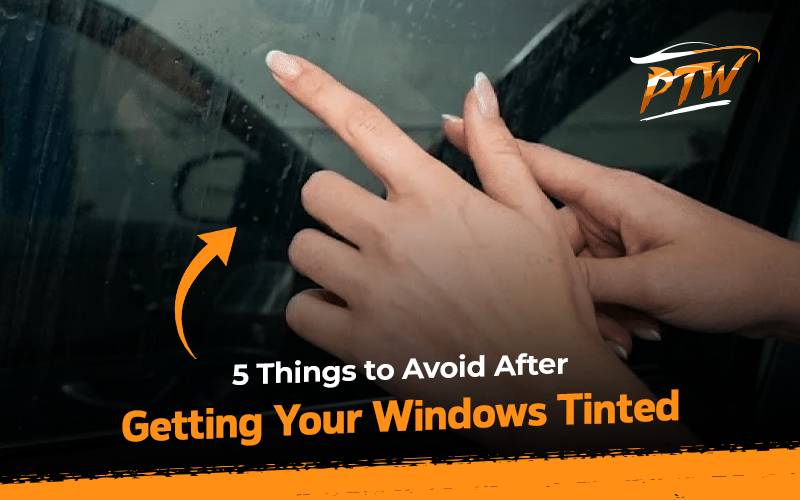
In the first 48 to 72 hours, you might notice small bubbles or a slightly cloudy/hazy appearance under the film. Do not try to poke, prod, or “squeegee” these bubbles yourself.
This is a natural part of the evaporation process. Modern window films are porous, allowing the mounting solution used during installation to evaporate through the film. Attempting to fix these yourself can result in permanent scratches or tears in the tint.
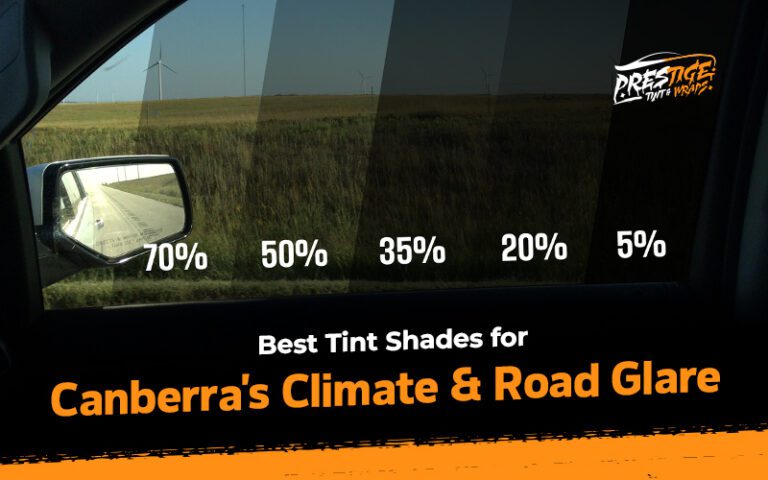
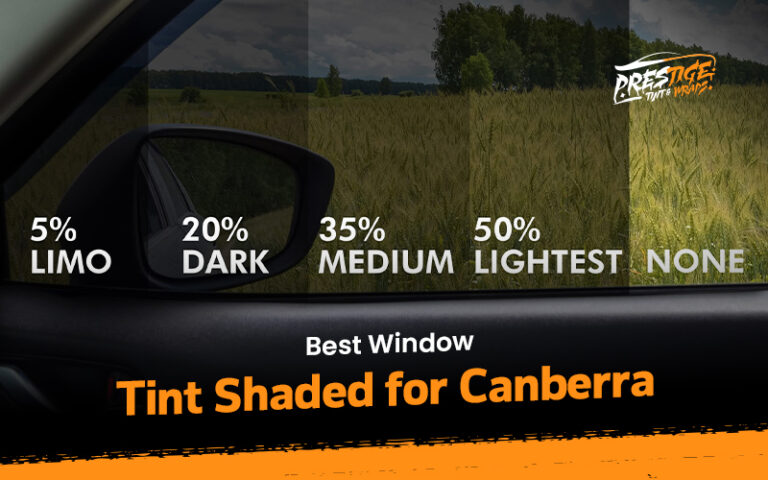
In most cases, these “water blisters” will disappear on their own as the car sits in the sun. For residents in the ACT, choosing the best tint shades for Canberra’s climate can actually help manage heat absorption during this curing phase.
5. Using Sharp Objects Near the Glass
Window tint is remarkably durable against UV rays and heat, but it is still a polyester-based film that can be scratched or gouged by sharp objects.
Common culprits include:
- Seatbelt Buckles: Be careful when releasing your seatbelt. If the metal buckle snaps back and hits the window, it can leave a “chip” or tear in the film.
- Pet Claws: If your dog loves looking out the window, ensure their nails are trimmed or consider keeping the windows slightly up to prevent scratching.
- Rings and Jewelry: Be mindful when cleaning the interior or reaching for items near the door.
Why Professional Installation Matters
Avoiding these mistakes is much easier when the initial installation is performed by experts. At Prestige Tint & Wraps, we use high-quality materials designed to withstand the harsh Australian sun.
Cheap, DIY kits are far more prone to bubbling and fading, often failing regardless of how well you care for them.
If you’re concerned about your vehicle’s overall longevity, you might also want to compare other protection methods. For instance, understanding PPF vs. ceramic coating can help you decide how to best protect your paintwork in conjunction with your new window tint.
Long-Term Maintenance Tips
Once you’ve cleared the first week of “avoidance,” maintaining your tint is simple:
- Clean Regularly: Dust and dirt can be abrasive. Wiping the windows down prevents buildup.
- Park in the Shade: While tint protects your interior, extreme heat over many years can eventually take a toll. If you find your car’s paint is fading, it’s a sign your vehicle needs better UV protection across the board.
- Check the Seals: Ensure your window gaskets are clean. Debris caught in the window seal can scratch the tint as it moves up and down.
Conclusion
Getting your windows tinted is one of the best ways to enhance your driving experience, reduce glare, and protect your health from UV exposure. By avoiding these five common pitfalls, you ensure that your tint remains a valuable asset to your vehicle for years to come.
If you have questions about our packages or want to see our previous work, feel free to browse our gallery.
Need a quote or professional advice? Contact Prestige Tint & Wraps, and let our team help you achieve the perfect finish for your vehicle.